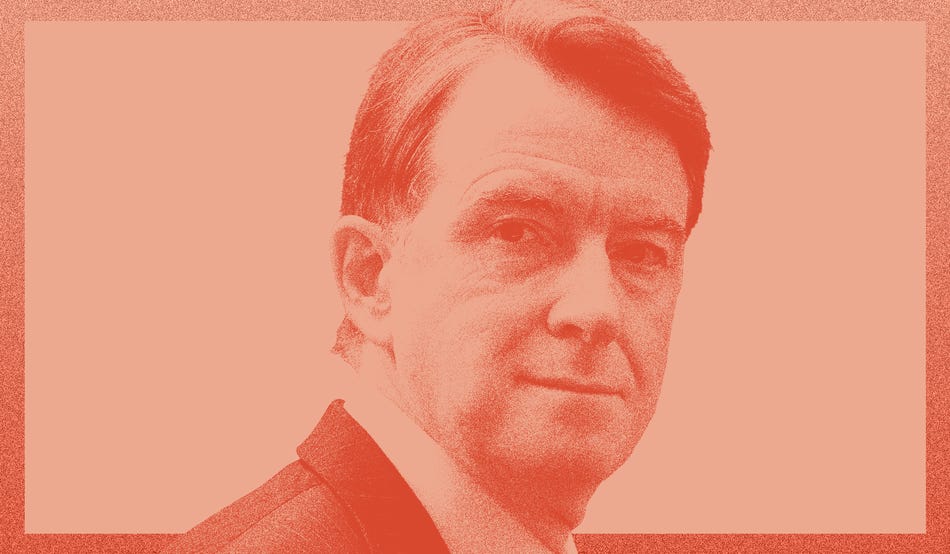
Every new release of the Epstein files dominates media headlines, but the latest drop has been particularly damning for certain figures in Westminster. As we noted in yesterday’s Lightbulb, the revelations that Peter Mandelson seems to have had further undisclosed contact with Jeffrey Epstein have put the former business secretary and ambassador under enormous pressure. While Mandelson has previously expressed regret for “ever having known Epstein”—and for remaining associated with him after Epstein was convicted for sex offences—yesterday afternoon he bowed to that pressure, announcing he would leave the Labour party and, later, that he would step down from the House of Lords today.
But beyond the headlines, what do the Epstein files really tell us? To answer this question, investigative journalist Peter Geoghegan, who has been digging through the latest release, joins today’s episode of the Prospect Podcast. Our hosts Ellen and Alona ask him about the ways in which Epstein cultivated such a dense network of rich and powerful friends through “access peddling”. That so many high-up figures in politics, business and the arts were so easily seduced reveals the “moral black hole” at the heart of elite society, Geoghegan says.
Plus, they consider together how the media can parse the documents amid rampant misinformation and intense public curiosity. If you’d like to watch a preview of the episode first, the video is on our Substack channel.
Mandelson is just one of many headaches for Keir Starmer—the next one is the Gorton and Denton byelection. The decision to keep Labour’s popular “King of the North” Andy Burnham off the ballot makes the contest more challenging for the party, Andrew Adonis argues. “However, another non-event is possibly of even greater consequence: the absence of Zack Polanski, leader of the Greens, as the party’s candidate. It is astonishing that Polanski is not contesting this largely metropolitan constituency himself,” Adonis argues.
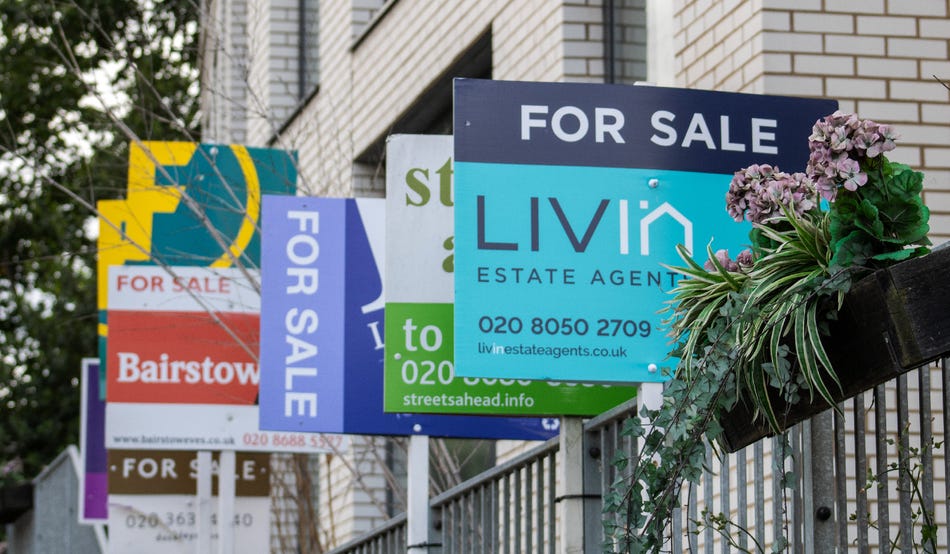
The Greens’ actual candidate, Manchester plumber Hannah Spencer, is targeting renters for the byelection. And, as Tom Clark writes, it might just be a winning strategy. As Prospect’s editor Philip Collins wrote in this month’s cover essay, class—at least traditionally conceived as related to occupation—is ceasing to be an organising principle of British politics, and there is now a five-way fragmentation of the electorate. But as Tom shows, as occupation has waned in significance, home ownership has taken its place.
“Renters were fully 17 percentage points more likely to back Labour in 2024 than were outright homeowners,” he writes. But “there will be a constituency of voters on the left in favour of strident redistributive policies. A Labour government that shrinks from championing these is bound to bleed support to forces that will.”
But at the same time, most adults—and particularly most actual voters—do have some property or some shares in their pension account. So moving to tax wealth—Tom points to Gabriel Zucman’s suggestions, or Philip Collins’s own—might be right on the substance, but might piss off just as many retirees as it wins over in precarious young renters.
If you know how to save Labour’s electoral fortunes—or improve the Greens’ ones—email me at ben.clark@prospectmagazine.co.uk.
Benjamin Clark
Head of digital audience
The latest episode of the Prospect Podcast
Peter Geoghegan on the Epstein files, power and impunity
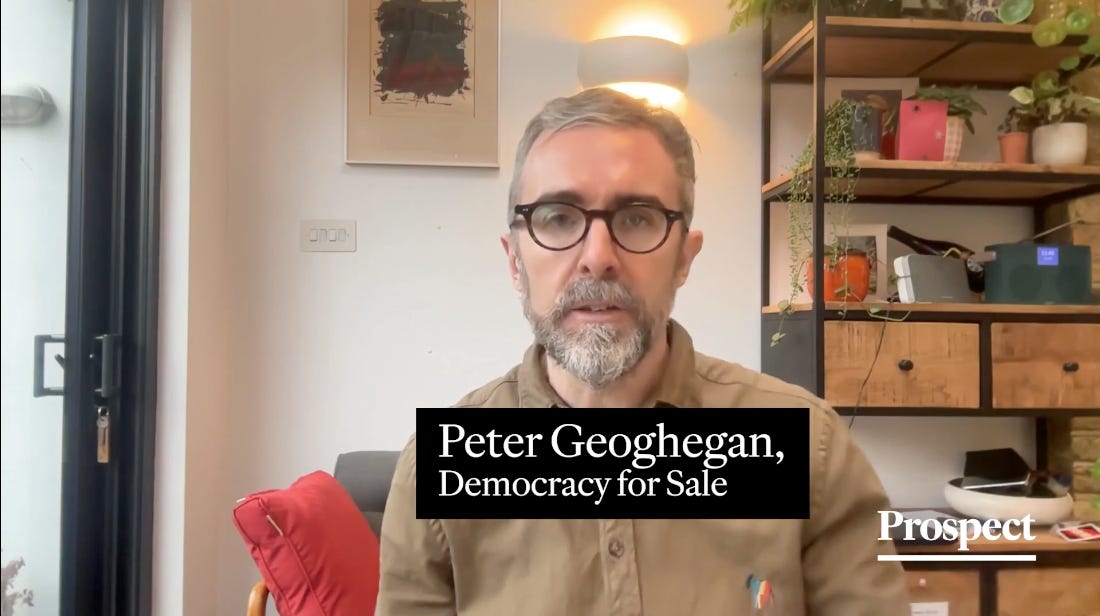
Preview on Substack: Peter Geoghegan on the Epstein files, Peter Mandelson and the elite’s ‘moral black hole’
Plus: what does this flood of documents mean for journalism and uncovering the truth?
New online
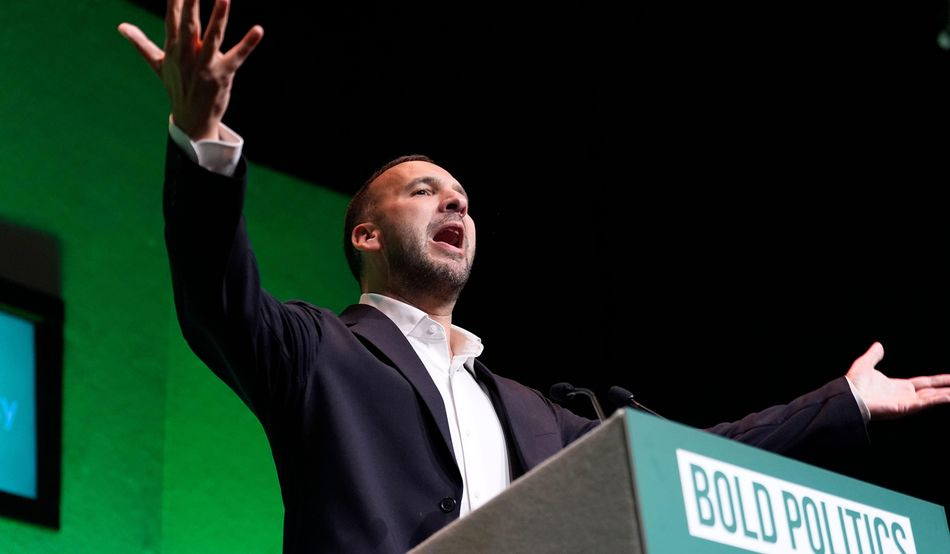
Zack Polanski’s missed opportunity
Why the Gorton and Denton byelection really matters
Class, but not as we know it
The property-ownership divide is another way of making sense of the decline of the UK’s old parties
From our latest issue

For Labour and the Conservatives, the party is over
The glory days for Britain’s old parties are in the past. A new kind of politics is required

Gabriel Zucman: We need a wealth tax for the super-rich
The rockstar economist on the ‘Zucman tax’—and why the UK needs one
From the archive