


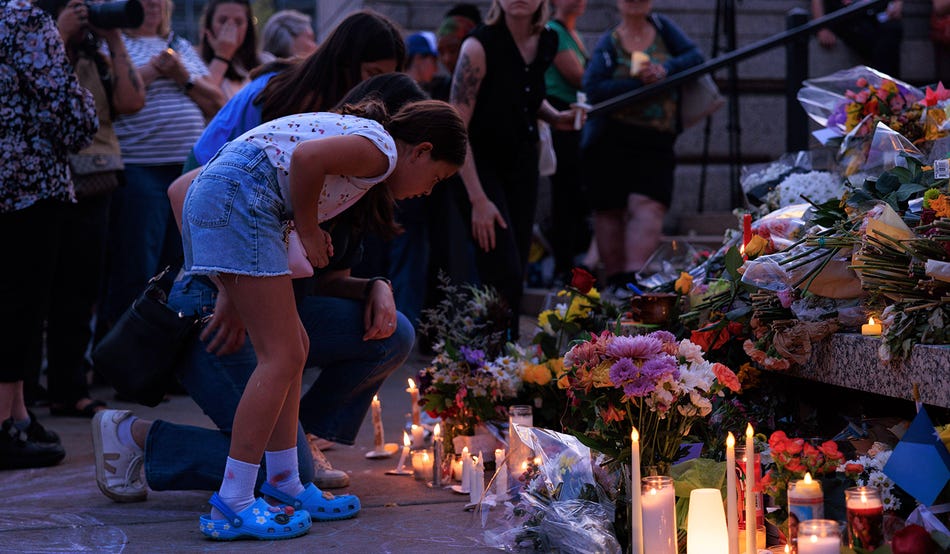
American conservative activist Charlie Kirk died yesterday after being shot at Utah Valley University. A manhunt for the killer is still ongoing. Kirk was an influential ally of Donald Trump, and the president responded to the news by calling it a “dark moment for America”.
It goes without saying that such political violence is deplorable. Only on Monday, free speech advocate Greg Lukianoff lamented on our Media Confidential podcast that university campuses were becoming increasingly hostile arenas for public debate. His organisation, the Foundation for Individual Rights and Expression, recently found that one-third of college students are open to the use of violence to stop speech in some circumstances.
Back in June, David Allen Green wrote that political violence is hardly new (particularly in America), but that a distinctive variety has emerged: “stochastic” violence, defined by the “general and vague encouragement” of violence via social media and other networks. Individuals who were radicalised online were responsible for the killings of political figures including Jo Cox and Minnesota politician Melissa Hortman.
While we still don’t know the killer’s motive, the spectre of violence is increasingly ambient in American political discourse—something our philosopher-at-large Sasha Mudd argues Trump himself has worsened.
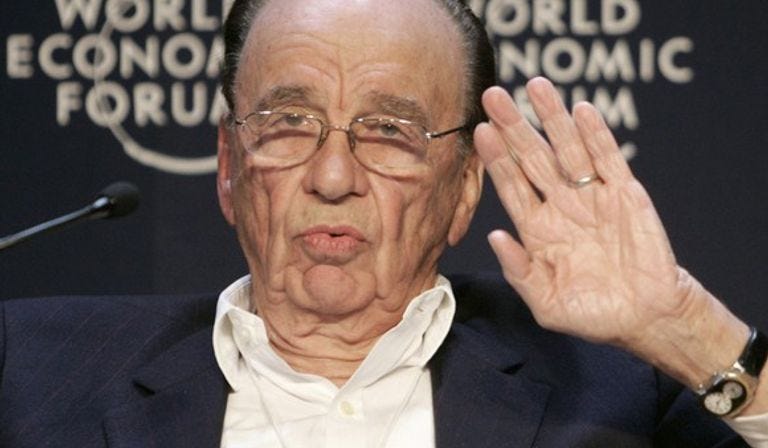
On today’s episode of Media Confidential, Alan Rusbridger and Lionel Barber look at another story from this week, and examine the latest announcement from media titan Rupert Murdoch. His family’s succession drama has finally been resolved, with his son Lachlan set to take over the media empire. What now?
Rupert remains a controversial figure, but he might have got one thing right. As Prospect turns 30, I’ve been trawling through our extensive archive, where I found former Prospect contributing editor Joy Lo Dico’s 2010 piece on Murdoch’s preferred business model as somewhat before its time. If we value good journalism, we have to pay for it online, she argued—back when most news sites were still free.
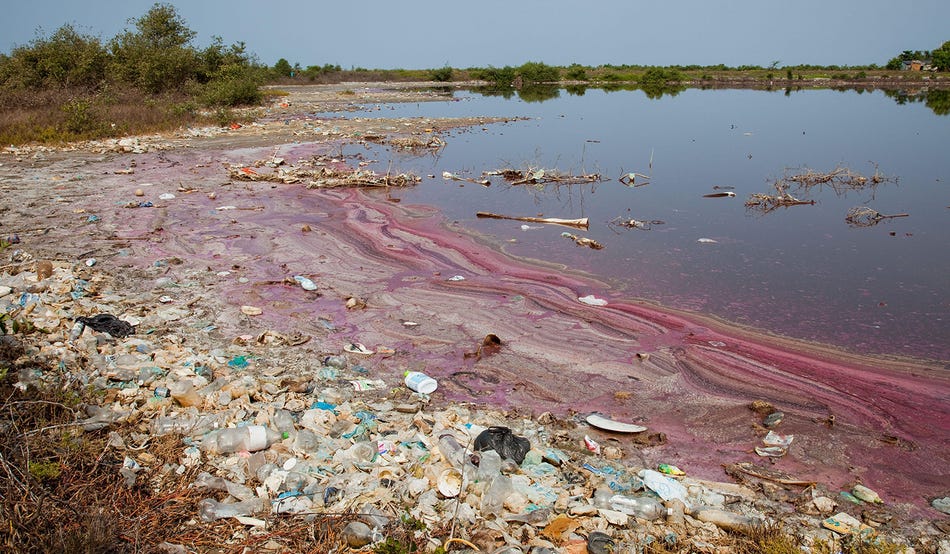
Turning to the public broadcaster, Mark Damazer examines the costs of recent changes to BBC Sounds, such as making catch-up audio harder to access for international audiences. Elsewhere, our climate correspondent Tim Smedley laments that efforts to curb plastic production have fizzled, to the likely delight of oil lobbyists. As always, email your thoughts to ben.clark@prospectmagazine.co.uk.
Benjamin Clark
Head of digital audience
Today’s must read stories
The law is powerless against stochastic political violence
The misuse of media power to promote harm needs a cultural, not a legal, solution
The Murdoch succession: Lachlan gets the power; his siblings get rich(er)
Rupert Murdoch’s heir has been chosen. What will it mean for the media empire?
BBC Sounds turns inwards
Why the ‘Paris Agreement’ of plastics ended in failure
Murdoch is right
If we value good journalism, why don’t we pay for it online?